Render
An Advanced Intelligence Report

The Spatial Architecture
Imperative.

Generative AI has mastered the art of drawing. But can it engineer? We tested 14 frontier models to separate aesthetic hallucination from structural math.

Scroll Down
The Value Proposition

Beyond the Pixels: The $300B Structural Context

For the architecture, prop-tech, and game development industries, the transition from two-dimensional schematics to 3D volumetric assets is a multi-billion dollar bottleneck. It dictates the speed of urban development, virtual environment rendering, and structural prototyping.

Computer vision models can hallucinate beautiful living rooms when prompted. But when constrained by rigid mathematical blueprints—forced to acknowledge exact fenestrations, load-bearing delineations, and precise room adjacencies—most generative AI models spectacularly collapse.

The Dataset Volume

We did not just test a single prompt. We established an industrial-grade automated pipeline. We sourced 17 distinct architectural floor plans, ranging from minimalist studios to labyrinthine commercial properties.

Each blueprint was processed through 14 different frontier models—accounting for 238 specific generation attempts. Each generation was subsequently evaluated by a multi-model LLM panel, resulting in over 1,400 granular judging decisions.

1,428
Independent AI Evaluations
Aggregate Intelligence Matrix

The Structural Fidelity Leaderboard

A macro view of median system performance across 17 distinct architectural floor plans. Scores calculate strict adherence to 2D geometric constraints.

Flux.2 Pro (Black Forest)
92.4
Flux.2 Max (Black Forest)
88.1
Riverflow V2 Std (Sourceful)
84.7
Gemini 2.5 Flash (Google)
62.3
GPT-5 Image (OpenAI)
51.8
Based on proprietary visual evaluator ensemble metrics
Rigid Taxonomy

The Four Pillars of Evaluation

To remove aesthetic bias, our autonomous ensemble models graded generations against strictly non-forgiving structural laws.

I. 3D Fundamentals

The hull. Does the generated outer boundary match the ratio and dimensional footprints of the raw 2D schematic? Are major structural voids properly accounted for?

II. Geometric Accuracy

The core failure point. Does the engine tear down load-bearing dividers to create open spaces? Does it construct phantom walls blocking explicit door-swings?

III. Interior Elements

The mapping translation. If the blueprint marks a 2x1 rectangle in the bathroom, does the engine render a bathtub, or does it incorrectly guess a dining table?

IV. Visual Clarity

Instructional adherence. We prompted strictly for isometric, low-poly, game-engine styling. Did the model obey, or did it forcefully default to architectural photorealism?

Case Study: Layout 10

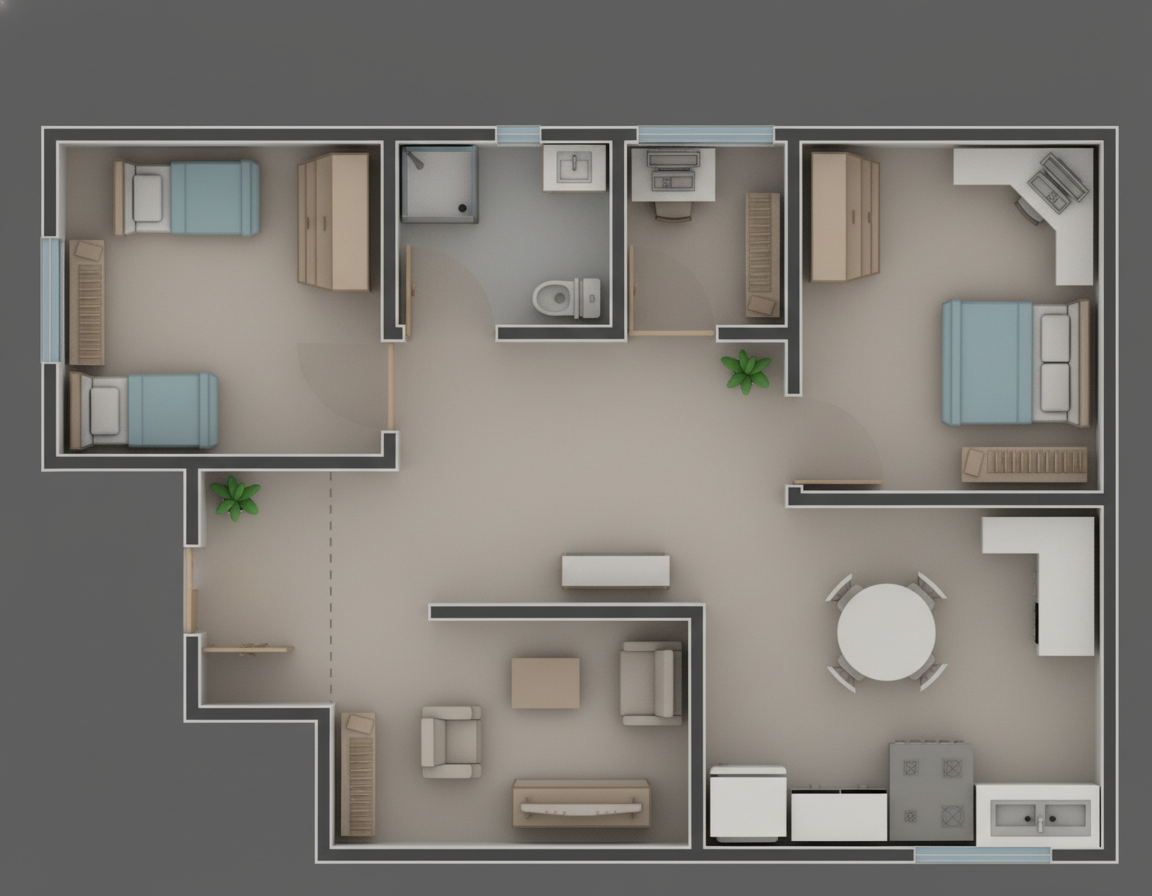
The Raw Vector Input.

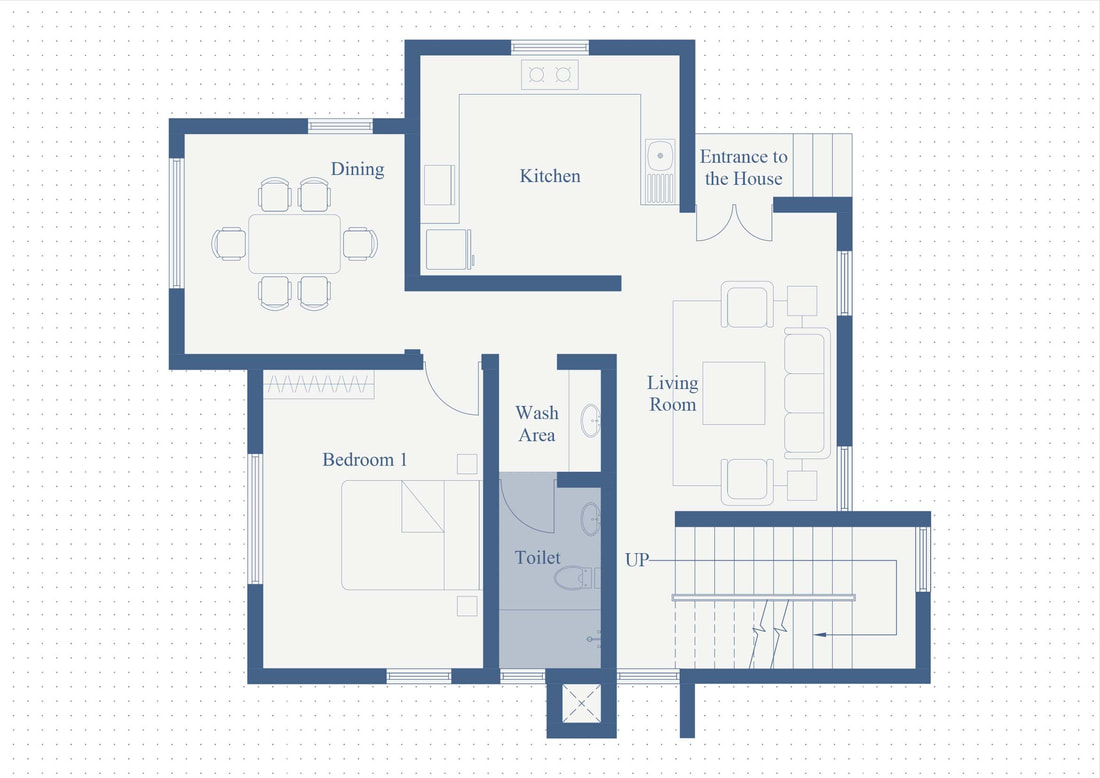
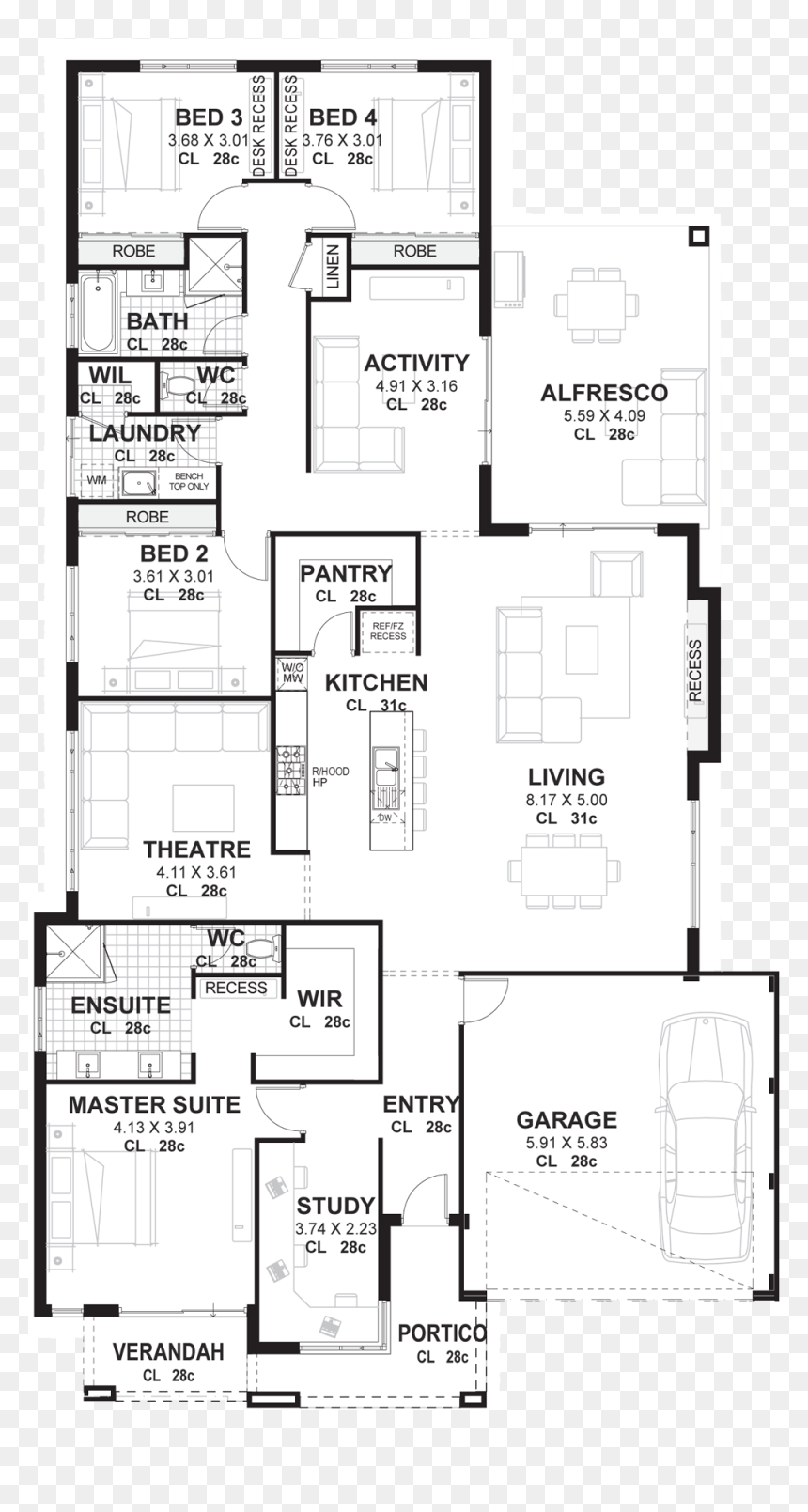
We begin with a standard residential layout. Notice the explicit demarcations: clear door swing radii, distinct kitchen islands, and tightly defined lavatory boundaries. For a human architect, the 3D extrusion logic is instantaneous. For an AI, it is a highly complex matrix of pixel relativity.

The Structural Champion

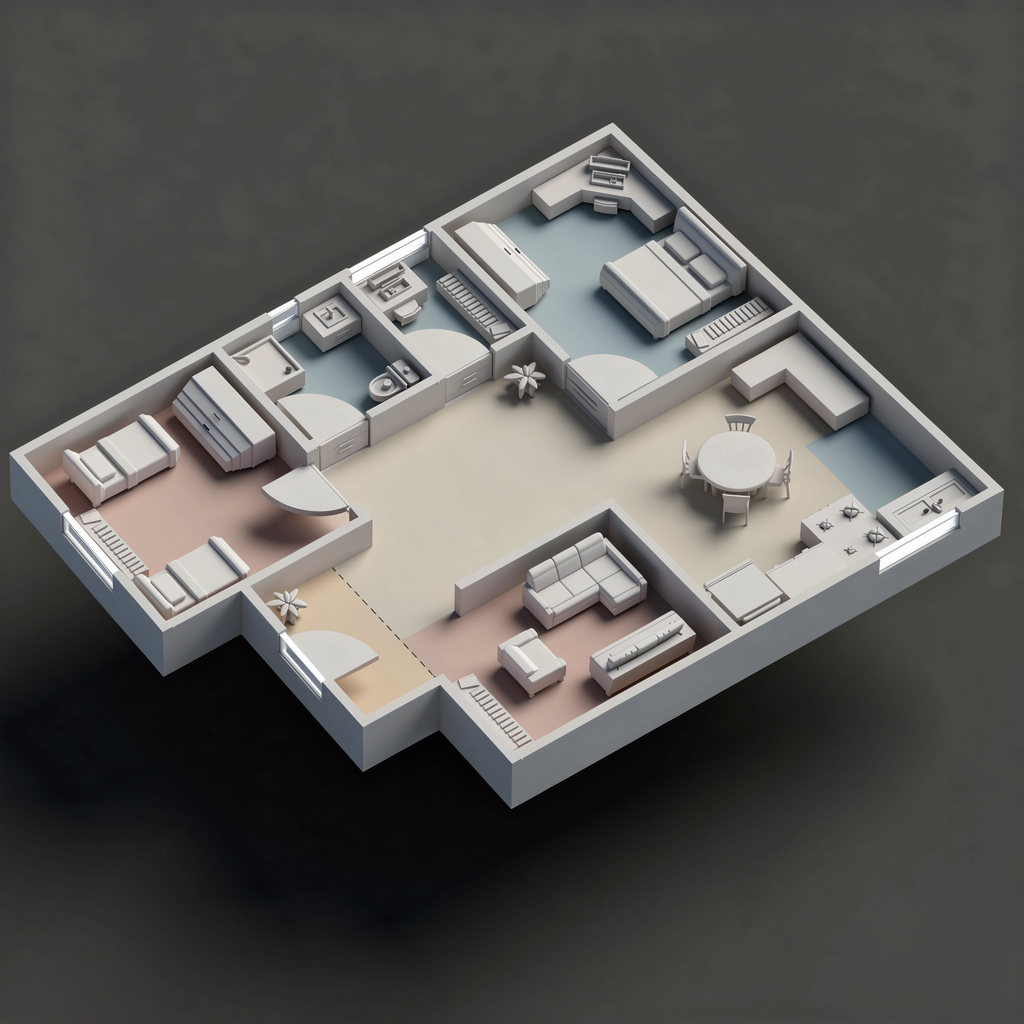
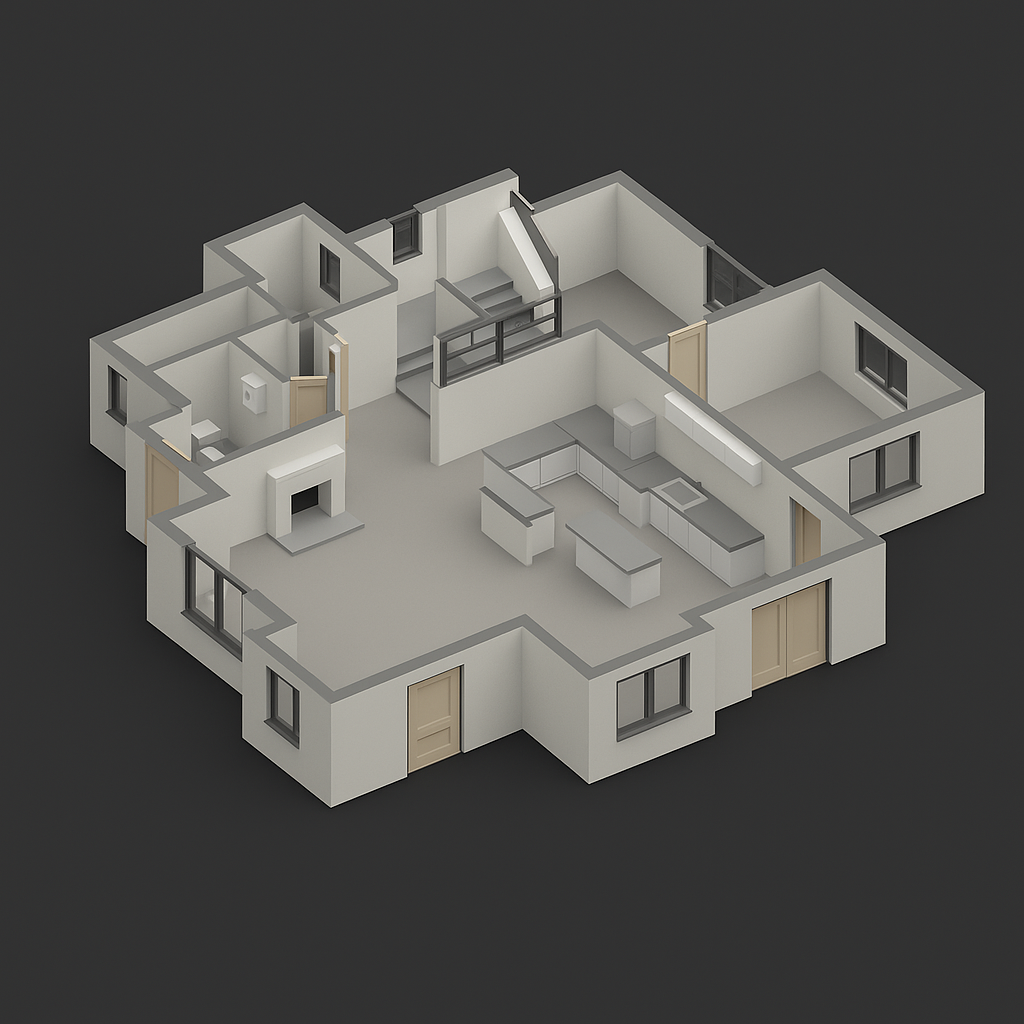
Flux.2 Pro: Exacting Geometry.

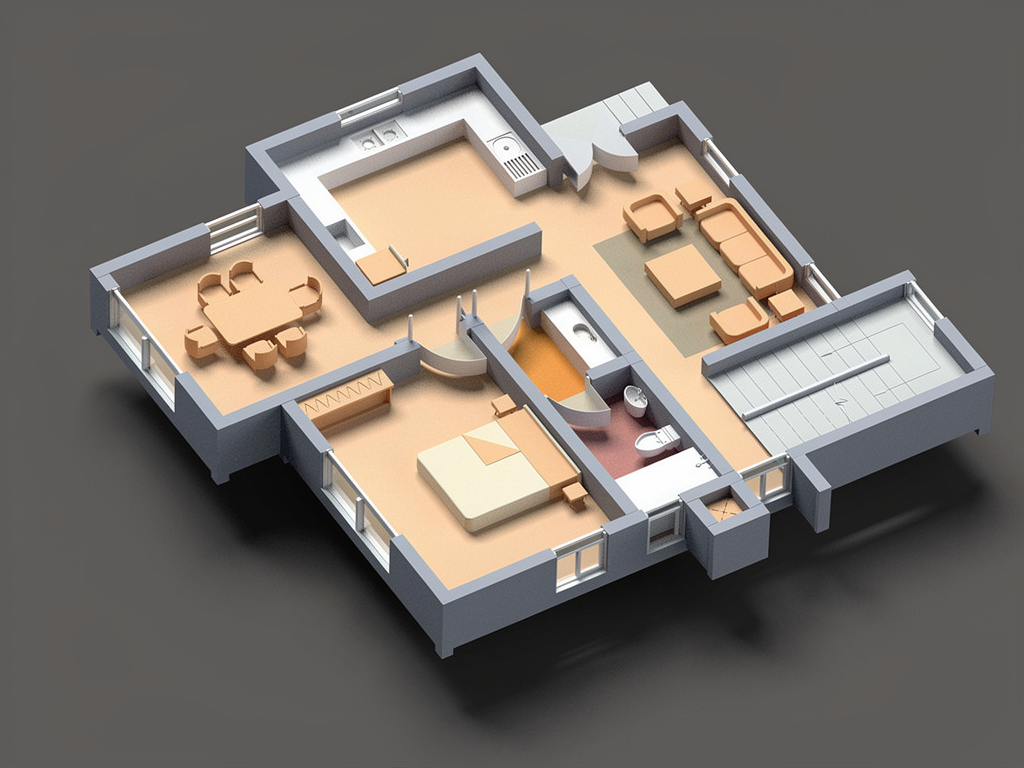
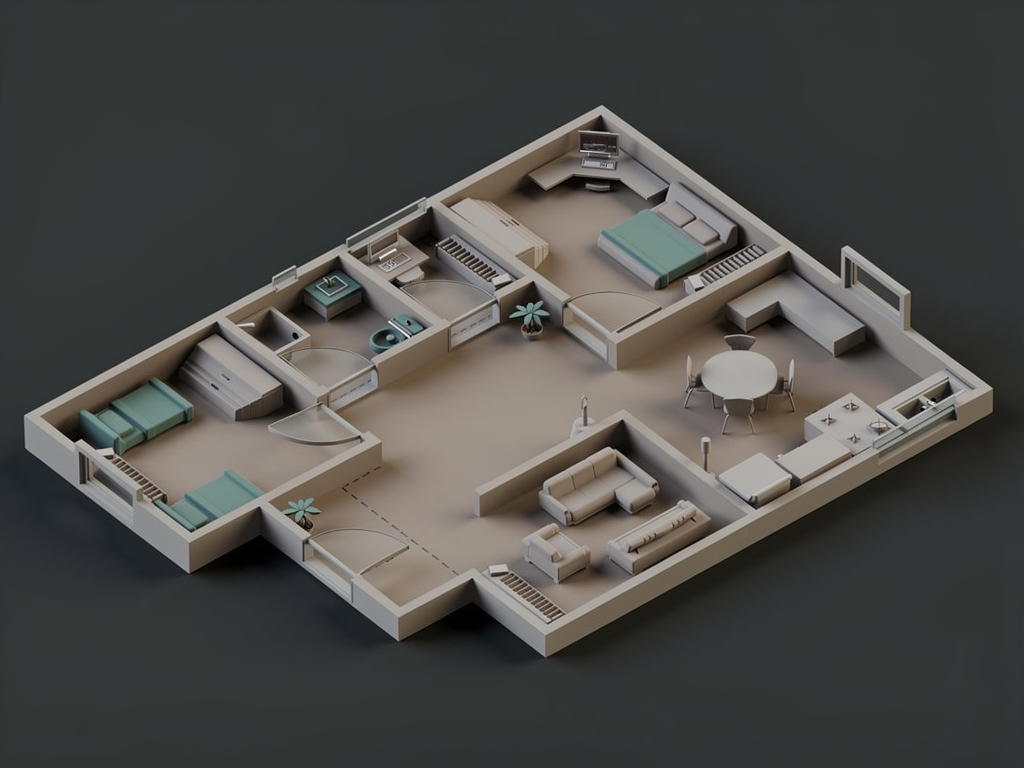
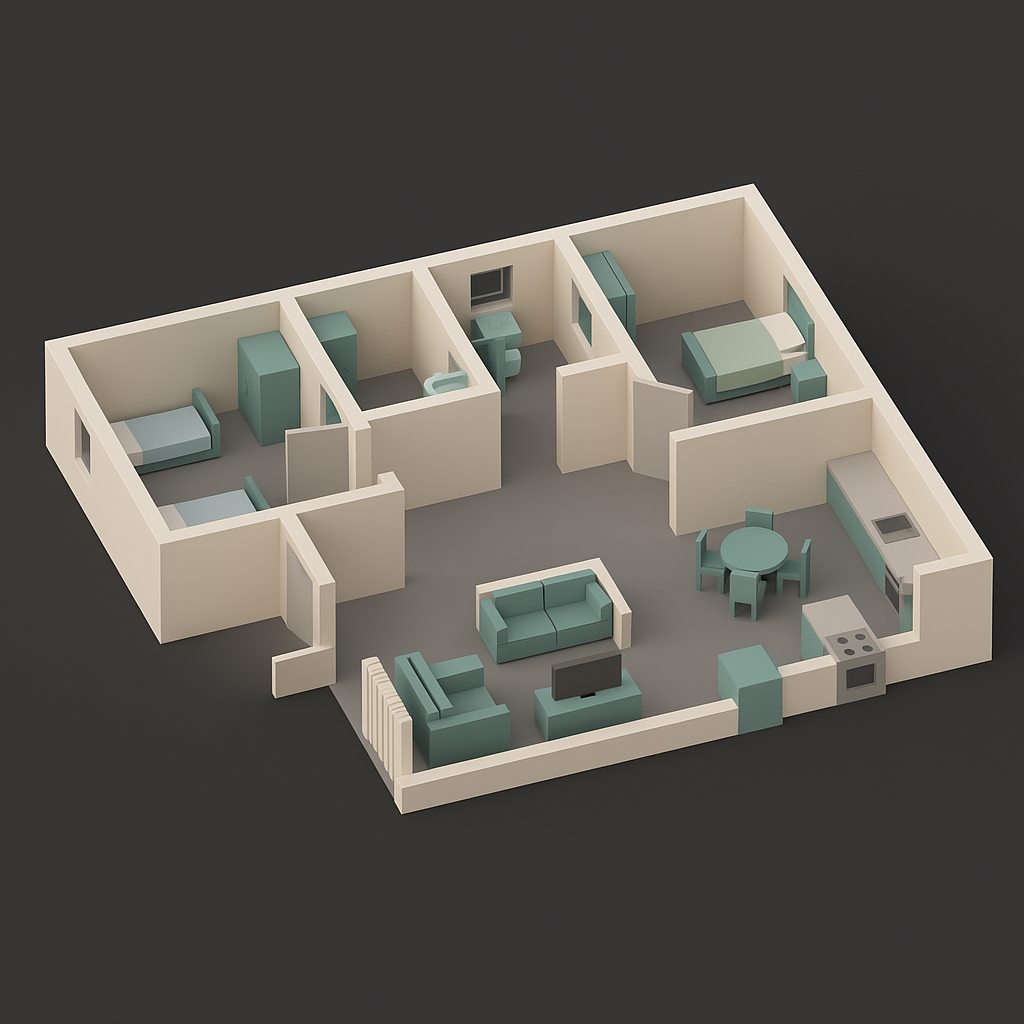
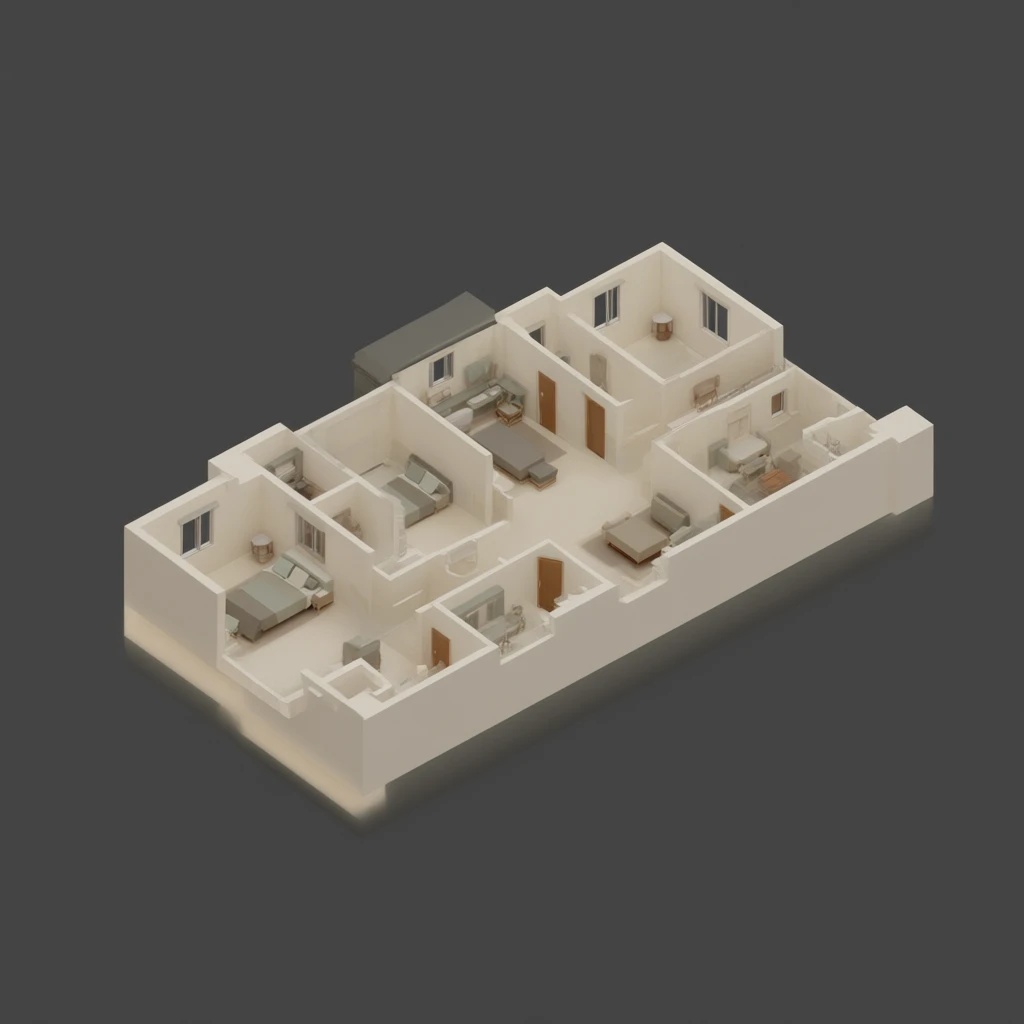
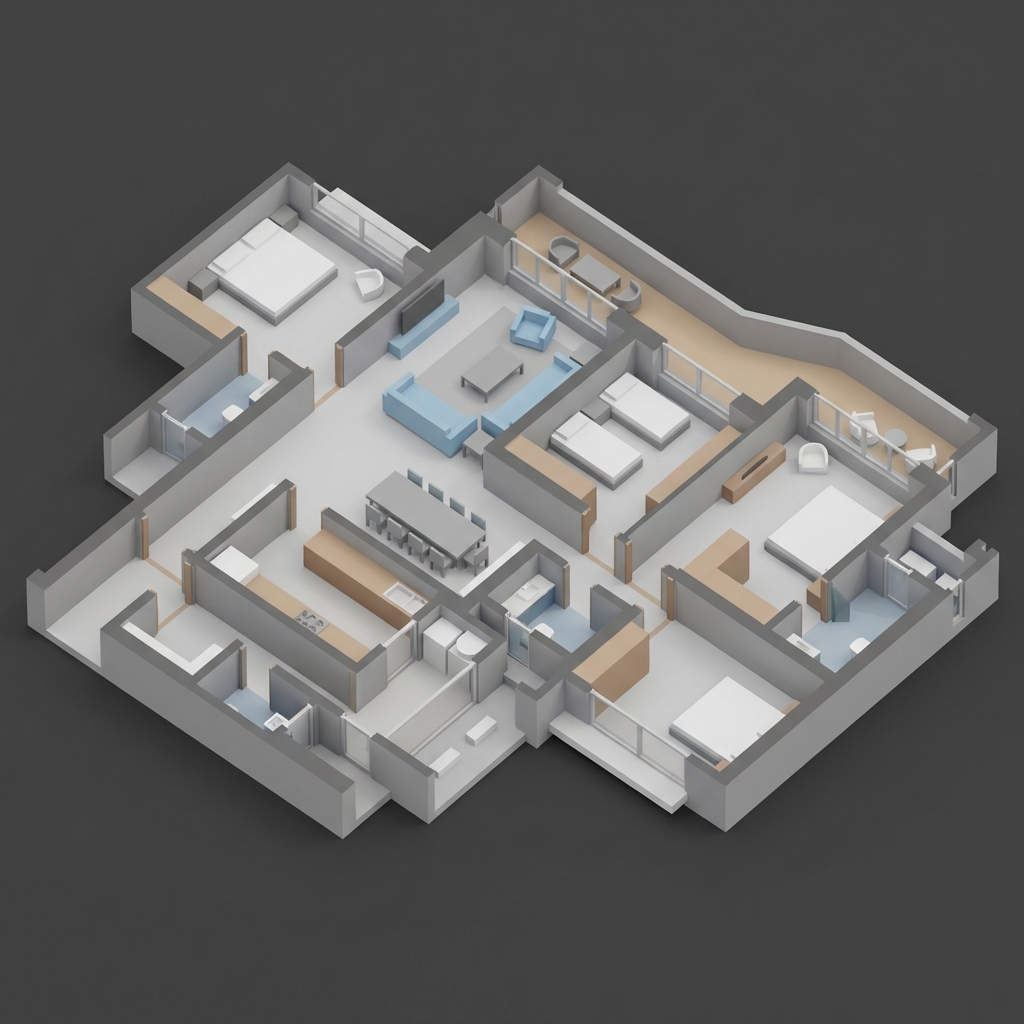
The resulting synthesis from Flux.2 Pro is nothing short of mathematical precision. It correctly parses the low-poly isometric directive.

More importantly, it reads the spatial truth. It identifies the kitchen counter accurately without hallucinating random cabinetry. It erects walls precisely where lines dictate, and leaves walkways perfectly unobstructed. It builds a usable simulation.

The Aesthetic Hallucinator

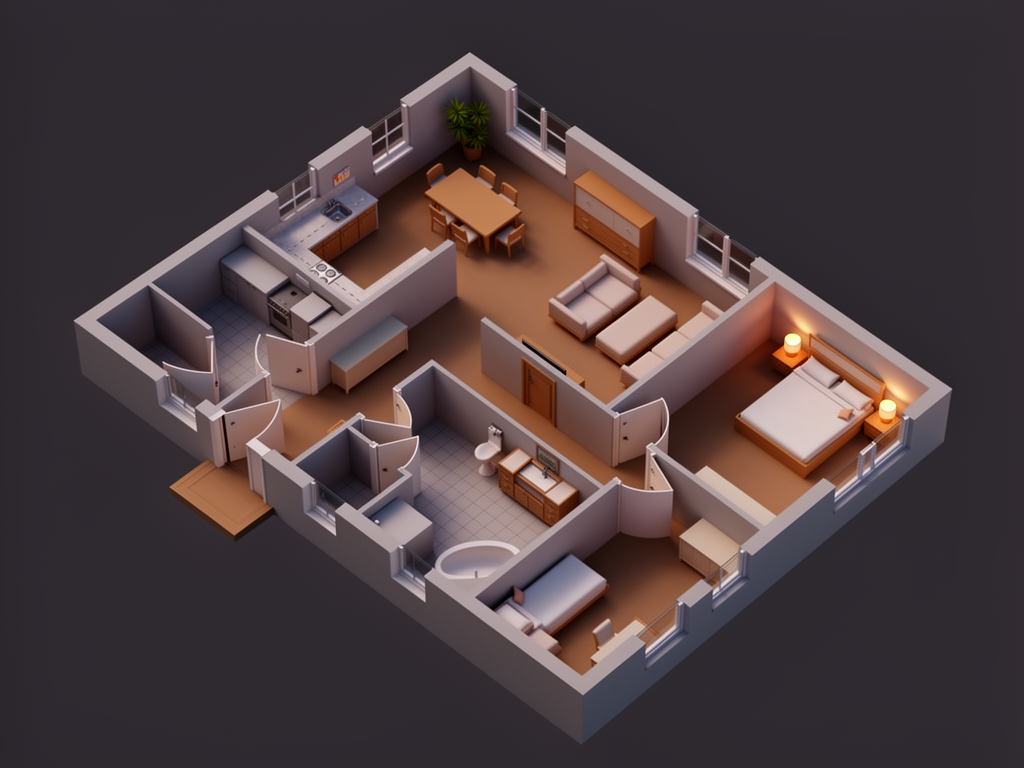
GPT-5: The Illusion of Accuracy.

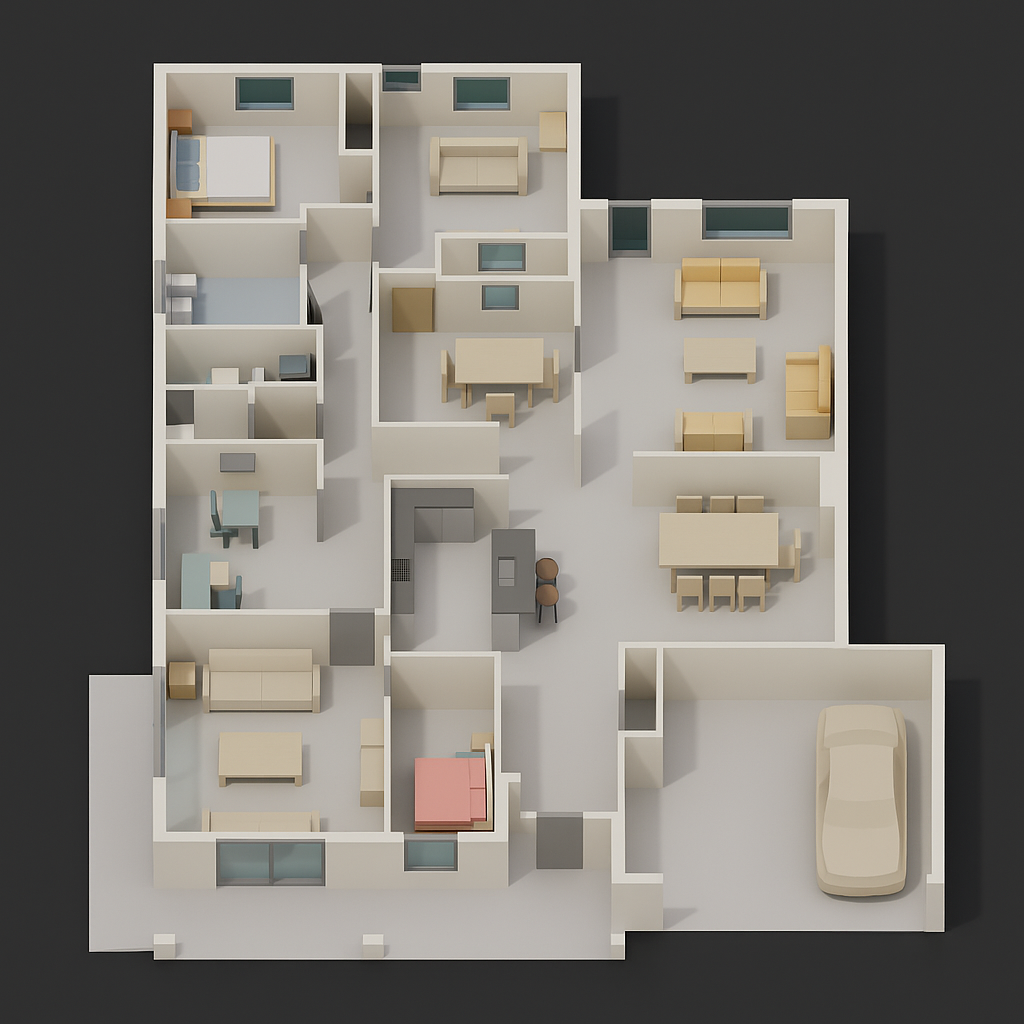
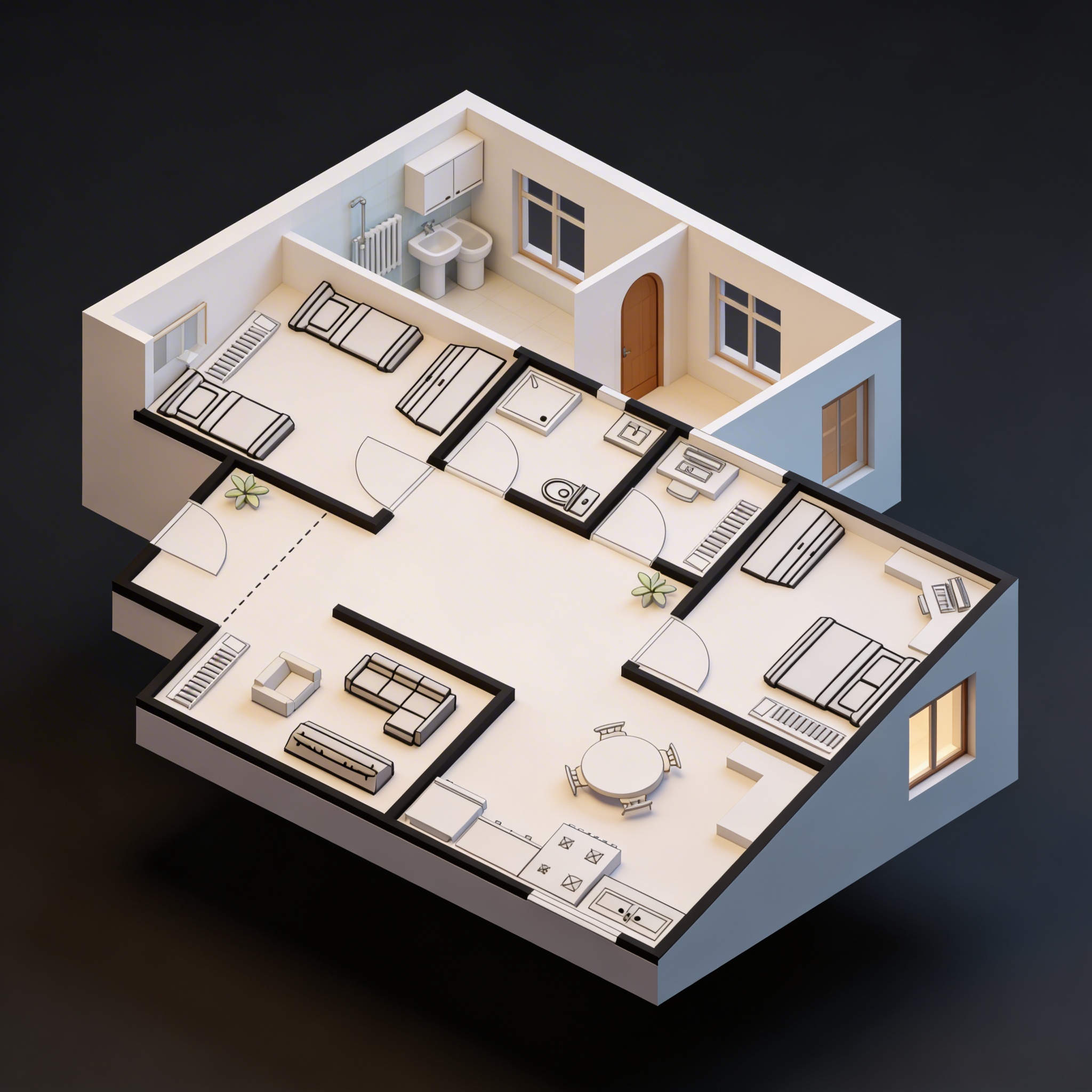
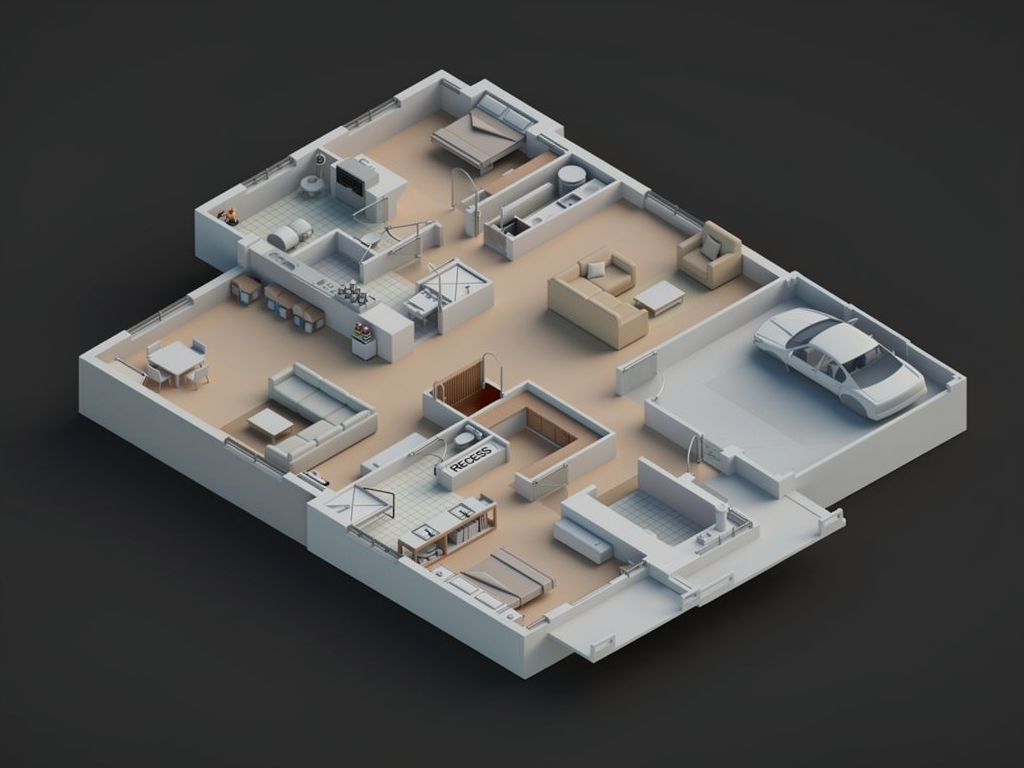
When evaluated blindly, OpenAI's engine generated a beautiful, highly detailed photorealistic render. It looks like a high-end real estate brochure.

But structurally, it is a total failure. It ignored the stylistic prompt entirely. It tore down walls to create false depth. It merged the bathroom framing into a random hallway, and hallucinated furniture placements that actively contradict the 2D blueprint. It painted a dream, not a schematic.

Original Blueprint Flux output GPT output
Original 2D input source

"We are moving past the era of AI that merely draws pretty pictures, and entering the era of AI that actively constructs physics-bound environments."

Interactive Proof

The Micro-Fidelity Check

Drag the partition below to cross-examine Layout 7 against Flux.2's generation. Notice how the engine identifies subtle wall recessions, accurately mapping the closet space adjacent to the bedroom.

3D Extrusion (Flux)
3D Output
2D Vector Constraint
2D Input
Model Constellation

One Blueprint. Endless Divergence.

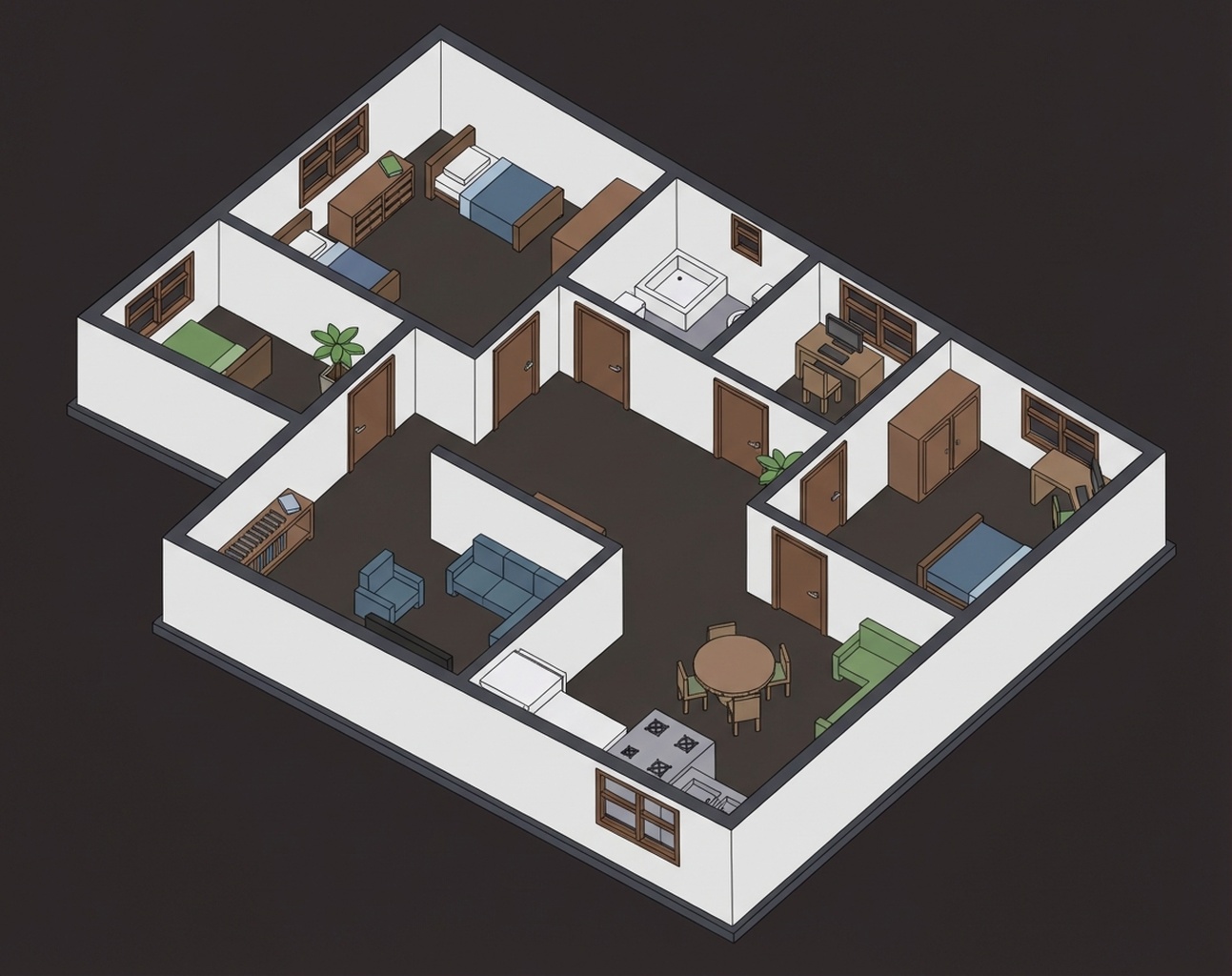
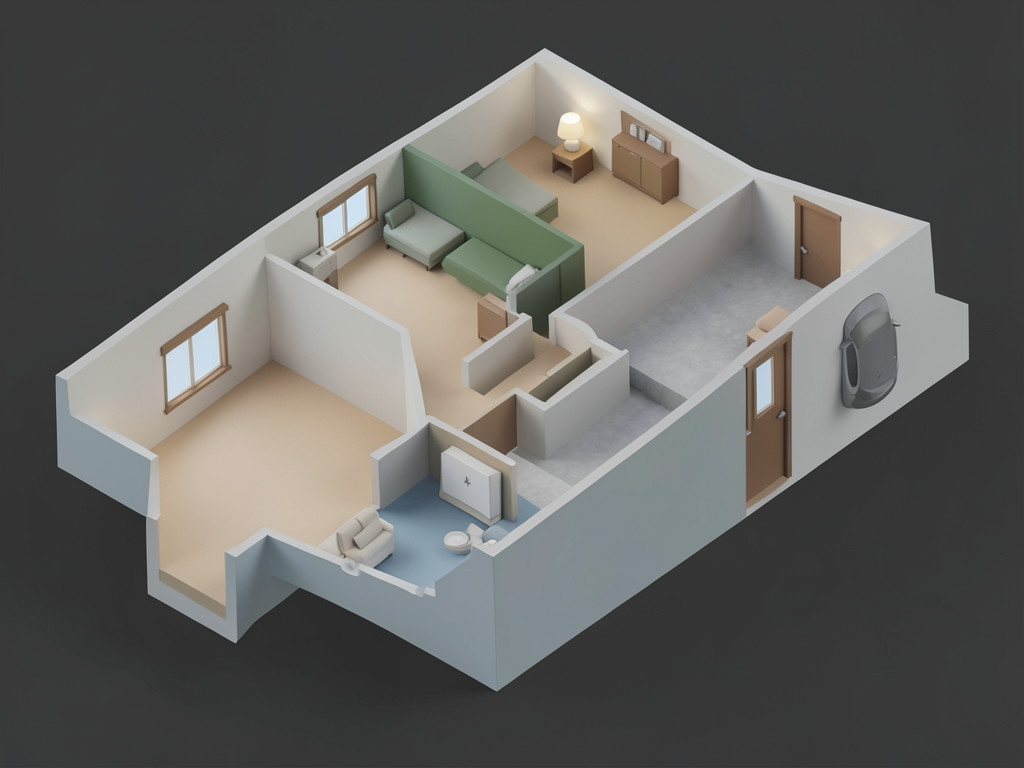
When we feed the exact same set of 2D lines into the world's most capable models, the translations fracture. Some models see walls; others imagine entire new wings of the house. Observe the scatter generated from a single central source truth.

Center Blueprint
The 2D Truth
Flux Pro
Flux.2 Pro
Structurally Accurate
GPT-5
GPT-5 Image
Aesthetic Drift
Gemini Flash
Gemini 2.5 Flash
Geometry Failure
Seedream
Seedream 4.5
Hallucinated Elements
Flux Max
Flux.2 Max
Highly Accurate
Riverflow
Riverflow V2
Strict Adherence

Examine the Raw Evidence.

The narrative is written by data. Access our localized data-lake instance to cross-correlate 14 models against 17 frameworks, reading the granular breakdown notes from our AI evaluation panel.

Initialize Dashboard Interface